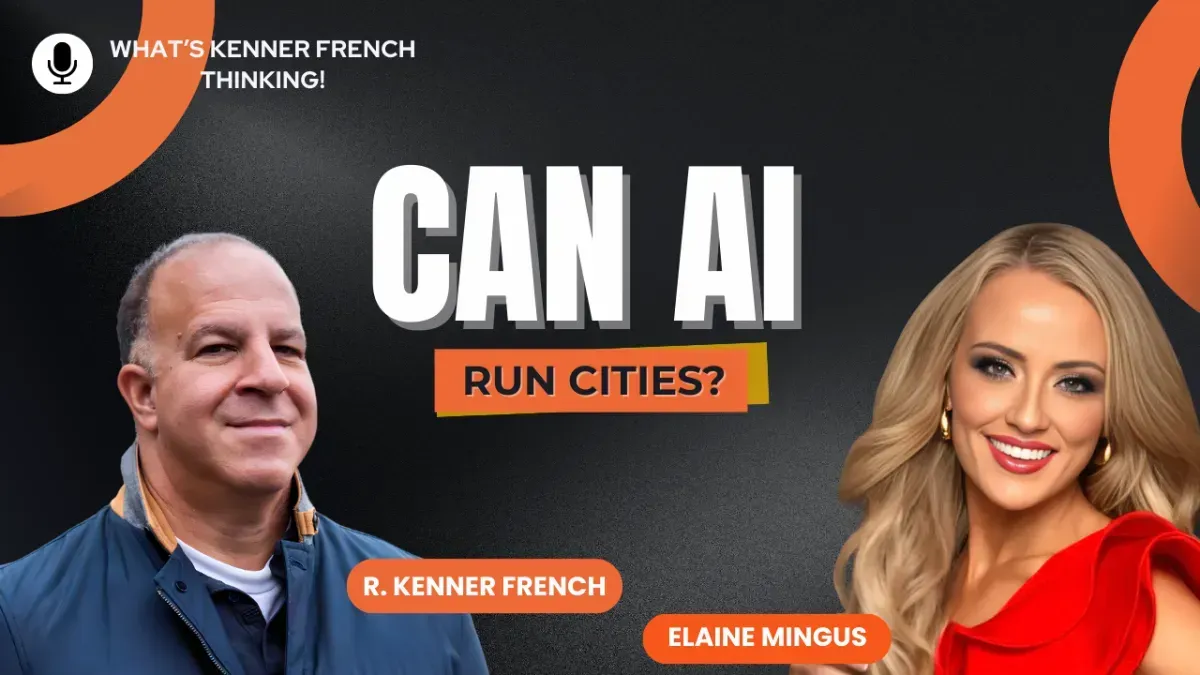
Can AI Run Cities?
Cities are complex systems. Every day they must manage transportation, energy usage, public safety, infrastructure maintenance, economic activity, and millions of human decisions happening at once.
As cities grow larger and more complicated, traditional management systems often struggle to keep up.
This has led to a fascinating question:
Could artificial intelligence help run cities more efficiently?
The idea may sound futuristic, but many cities around the world are already experimenting with AI-driven systems to improve urban life.
The Growing Complexity of Modern Cities
Modern cities generate enormous amounts of data every second.
Traffic lights track vehicle flow. Public transportation systems monitor ridership patterns. Energy grids measure electricity usage across neighborhoods. Security cameras collect visual information across streets and buildings.
For human administrators alone, processing all of this information in real time can be nearly impossible.
This is where AI becomes valuable.
Artificial intelligence can analyze large volumes of data instantly and identify patterns that humans might miss.
Smart Traffic Systems 🚦
One of the first areas where AI is transforming cities is transportation.
Traffic congestion is one of the biggest challenges in urban environments. Traditional traffic systems rely on fixed timers for lights, which often leads to unnecessary delays.
AI-powered traffic systems can adjust signal timing in real time based on actual traffic conditions.
This means:
• less congestion
• faster travel times
• lower fuel consumption
• reduced air pollution
Some cities are already using AI to coordinate traffic lights, monitor accidents, and suggest alternate routes.
Energy Efficiency and Smart Grids ⚡
Energy management is another area where AI can make cities smarter.
Modern urban areas consume massive amounts of electricity. AI systems can analyze usage patterns and optimize how power is distributed across the grid.
For example, AI can:
• predict energy demand during peak hours
• reduce waste in power distribution
• integrate renewable energy sources more efficiently
This leads to lower costs and a more sustainable urban infrastructure.
Public Safety and Emergency Response 🚓
Artificial intelligence is also being used to improve public safety.
AI systems can analyze data from cameras, sensors, and communication networks to detect unusual patterns.
This can help authorities respond faster to emergencies such as:
• accidents
• fires
• natural disasters
• criminal activity
By identifying risks earlier, cities can improve response times and potentially save lives.
Waste Management and Infrastructure
City governments also face the challenge of maintaining infrastructure such as roads, bridges, water systems, and waste collection.
AI can help cities monitor these systems more effectively.
For example:
• Smart sensors can detect when garbage bins are full and optimize collection routes.
• AI systems can monitor bridges and roads to detect early signs of damage.
• Water systems can be analyzed to detect leaks before they become major problems.
These technologies reduce costs while improving public services.
AI and Urban Planning 🏙
Urban planning has traditionally relied on historical data and human judgment.
AI introduces the ability to simulate future scenarios.
City planners can use AI models to predict how new housing developments, transportation projects, or policy changes might affect traffic, housing prices, or economic activity.
This allows governments to make more informed long-term decisions.
The Limits of AI in City Governance
Despite its potential, AI cannot completely replace human leadership in city management.
Cities are not just systems of data and infrastructure. They are communities made up of people with values, culture, and political priorities.
Human leaders must still make ethical decisions about:
• resource allocation
• social programs
• community development
• legal frameworks
AI can assist with analysis, but human judgment remains essential.
Privacy and Ethical Concerns 🔐
The use of AI in cities also raises important concerns.
Large-scale data collection may create privacy risks if not properly regulated.
Cities must ensure that AI systems are transparent, secure, and used responsibly.
Policies must balance innovation with protecting citizens’ rights and freedoms.
The Future of AI-Powered Cities
As technology continues to evolve, AI will likely become a standard part of city management.
Future smart cities may integrate AI into nearly every system, including:
• transportation networks
• healthcare services
• environmental monitoring
• economic development planning
The goal is not to allow AI to completely run cities but to use AI as a powerful tool that helps leaders make better decisions.
Final Thoughts 🚀
Artificial intelligence is transforming many industries, and city management may be one of the most impactful areas.
By analyzing large amounts of data and optimizing complex systems, AI can help cities become:
• more efficient
• more sustainable
• safer for residents
• better prepared for the future
However, the most successful cities will not be run by machines alone.
They will be guided by human leaders who know how to combine technology with wisdom, ethics, and community values.
In the future, the real question may not be whether AI can run cities.
The real question will be how humans and AI can work together to build better cities for everyone.
Schedule Your Free Strategy Call Now!
📚 Don’t miss Modern Millions by R. Kenner French – the #1 BEST SELLING Amazon book (Entrepreneurship category)👉ModernMillions.ai
📚 Amazon Top Selling Author→https://www.amazon.com/dp/B0FHBS32LG


